
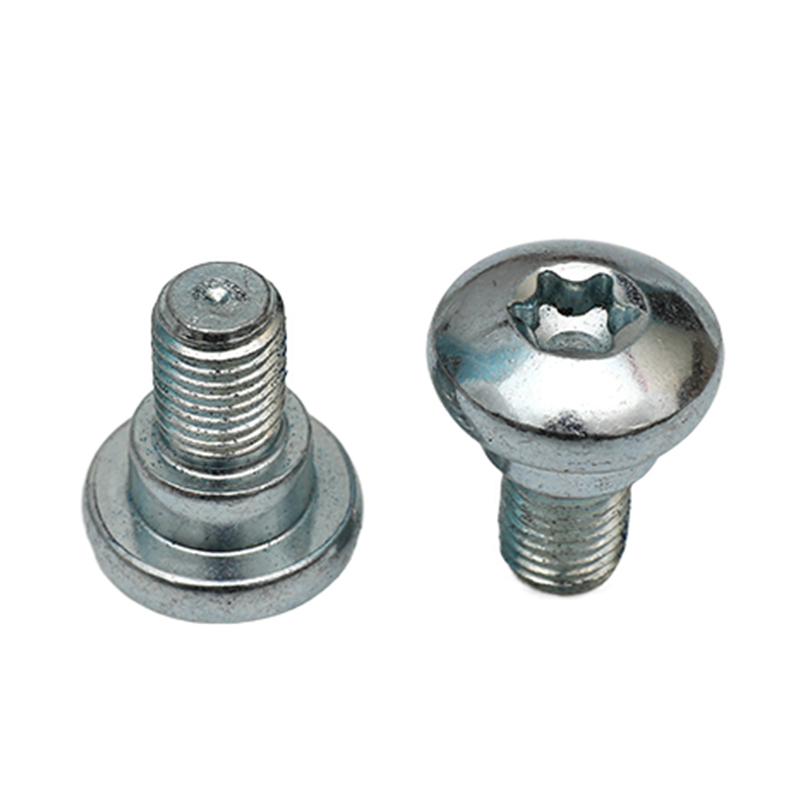
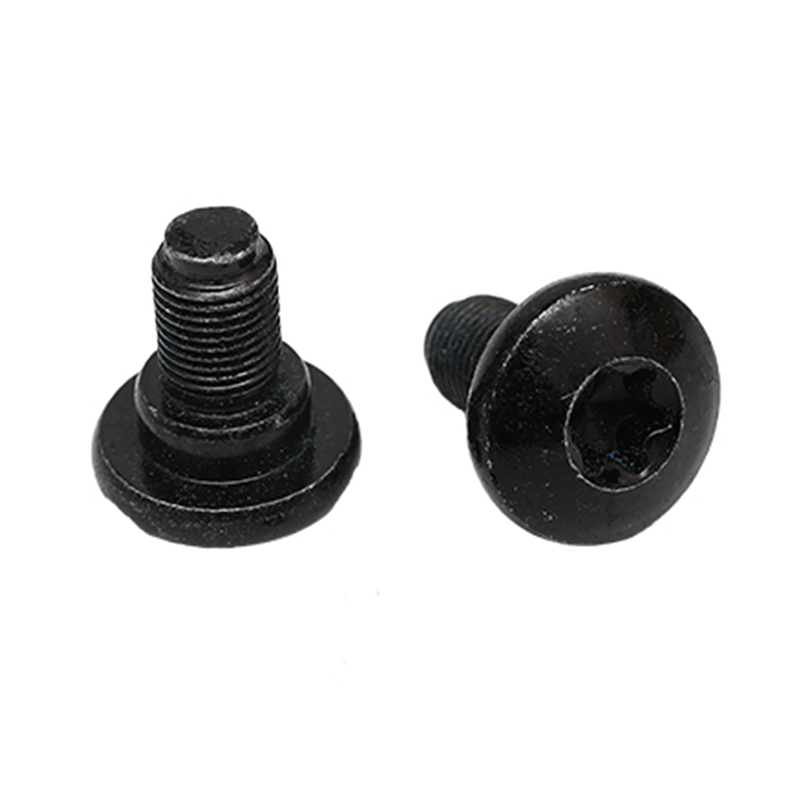
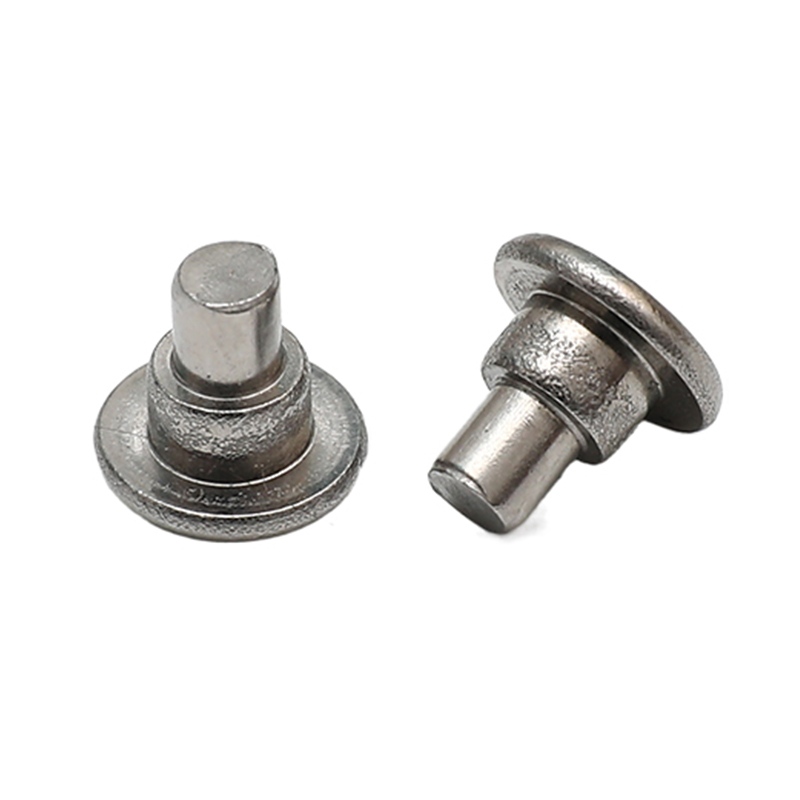
-1.png "Nehrđajući čelik m3 T10 torx strojni vijci s urezanom ravnom glavom")
.jpg "DIN965 vijak m2 s upuštenom glavom od crnog oksida ugljičnog čelika")
.jpg "DIN965 plavi pocinčani križni vijak s upuštenom glavom")
.jpg "DIN965 poniklani metalni strojni vijak m2 s upuštenom glavom")
-1.png "Strojni vijak s upuštenom glavom od nehrđajućeg čelika DIN965")
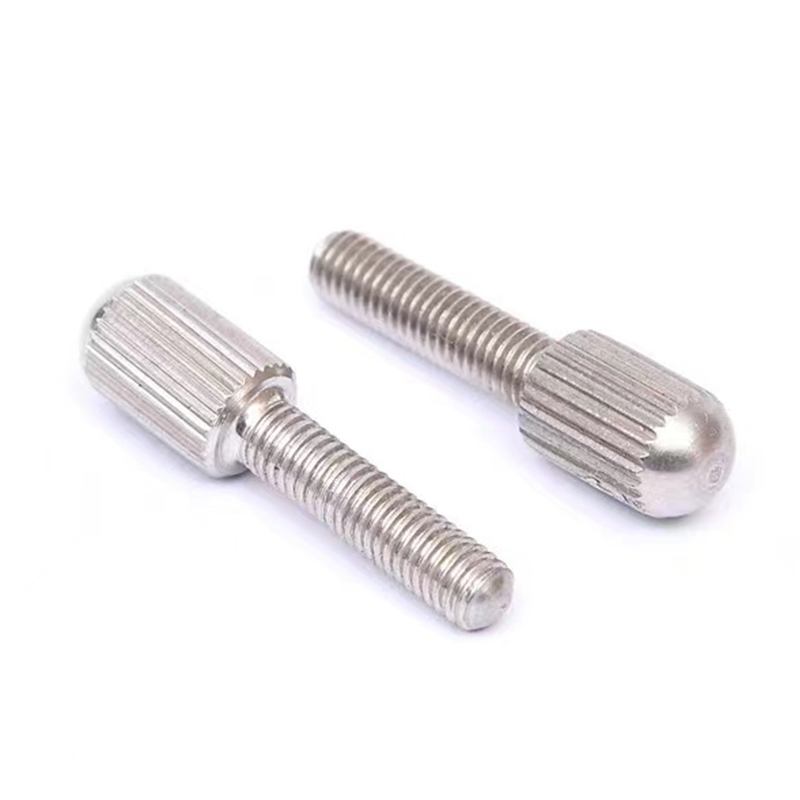
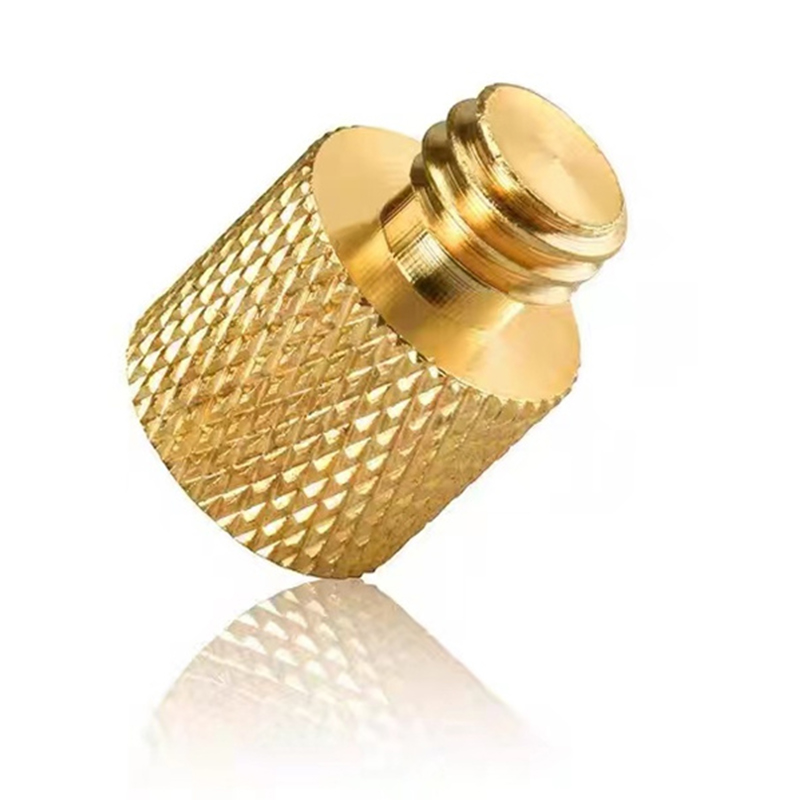
.png "M2 strojni vijak s utičnicom i šesterokutnom glavom od titana")
.jpg "Crni ugljični čelik m4 torx samorezni vijci s okruglom glavom")
Protuprovalni vijak izgleda kao običan zatvarač sve do trenutka kada ga netko pokuša izvaditi.......
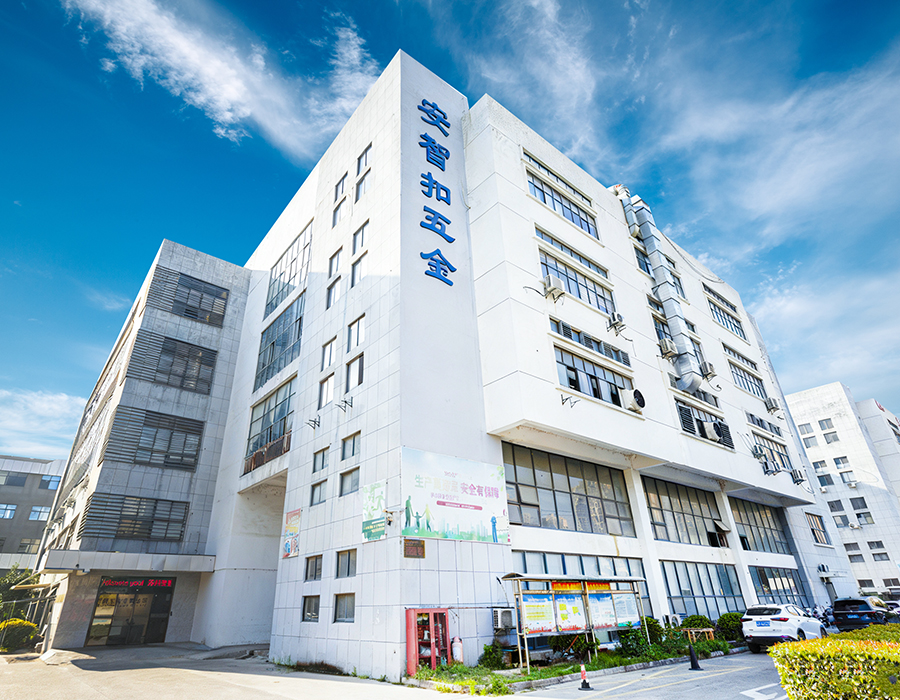
PROČITAJ VIŠESuzhou Anzhikou Hardware Technology Co., Ltd. je proizvođač koji integrira razvoj, proizvodnju i prodaju preciznih vijaka. Proizvođači preciznih vijaka i Dobavljači nestandardnih preciznih vijaka u Kini. Postojeća tvornica tvrtke prostire se na 2000 četvornih metara i sukcesivno je uvela više od 200 setova precizne opreme iz Tajvana i Japana, uključujući kompletan set opreme za proizvodnju pričvrsnih elemenata kao što su hladno oblikovanje, navojni valjci, CNC i protiv popuštanja, itd., koji mogu proizvesti minijaturne vijke vanjskog promjera 0,6 mm/dužine 0,6 mm, a godišnji proizvodni kapacitet standardnih i nestandardnih vijaka iznosi do 2000 četvornih metara.
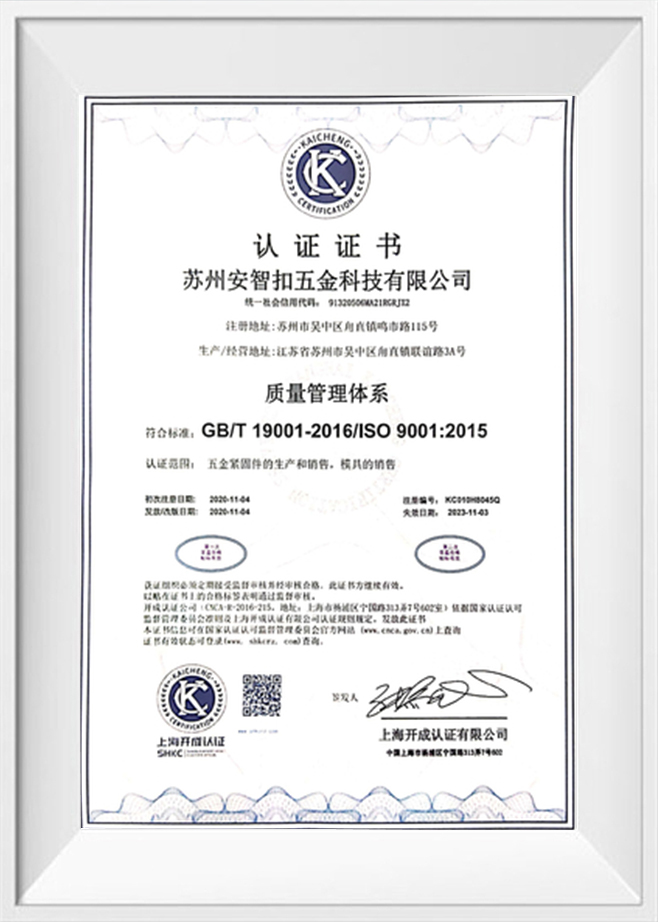
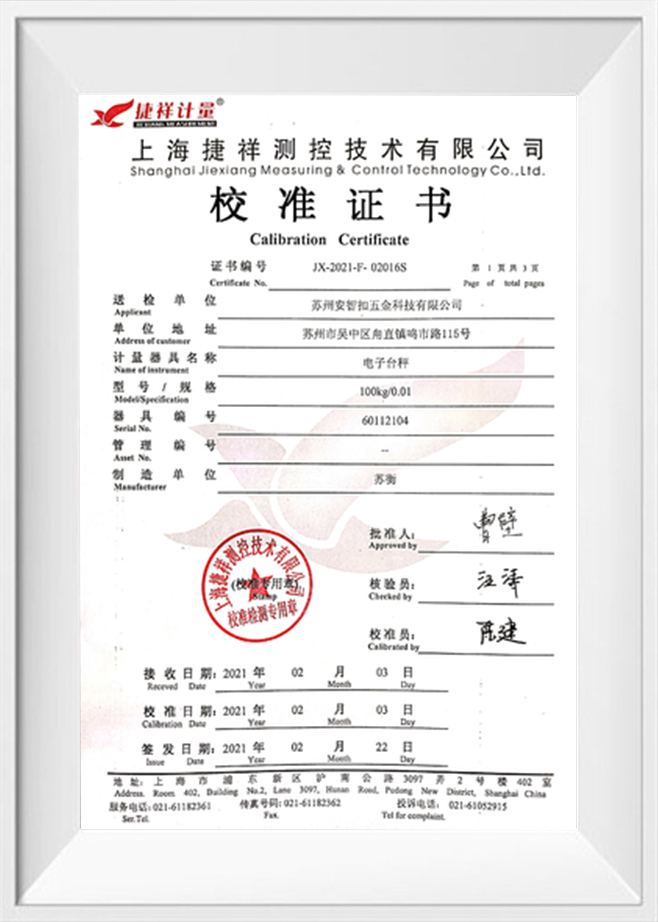
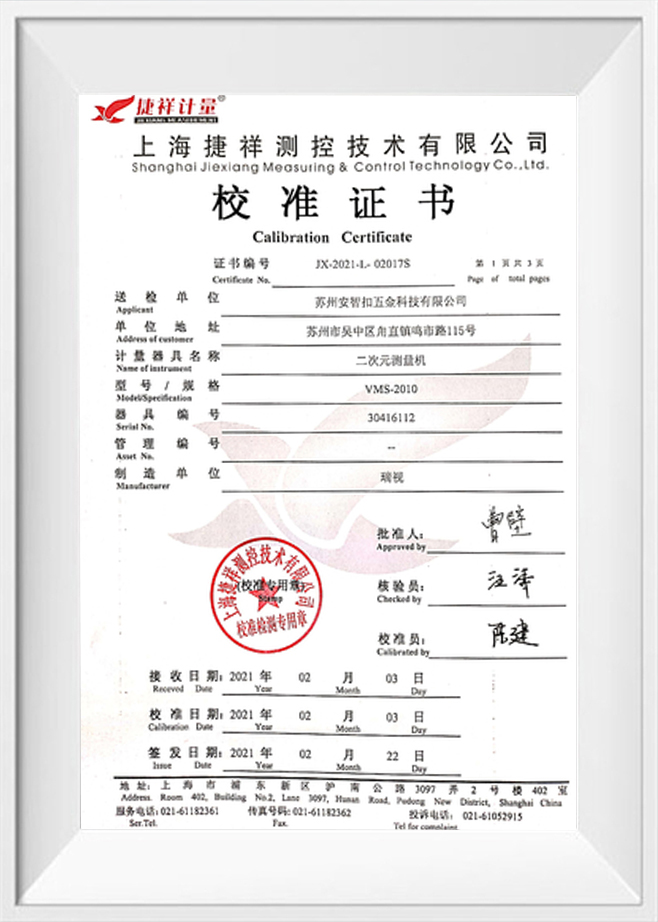
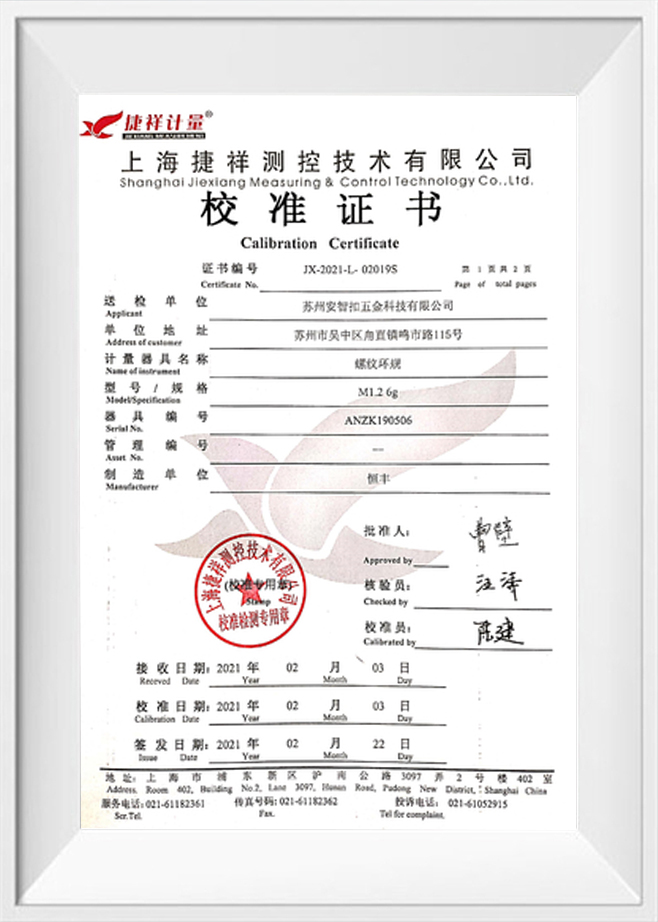
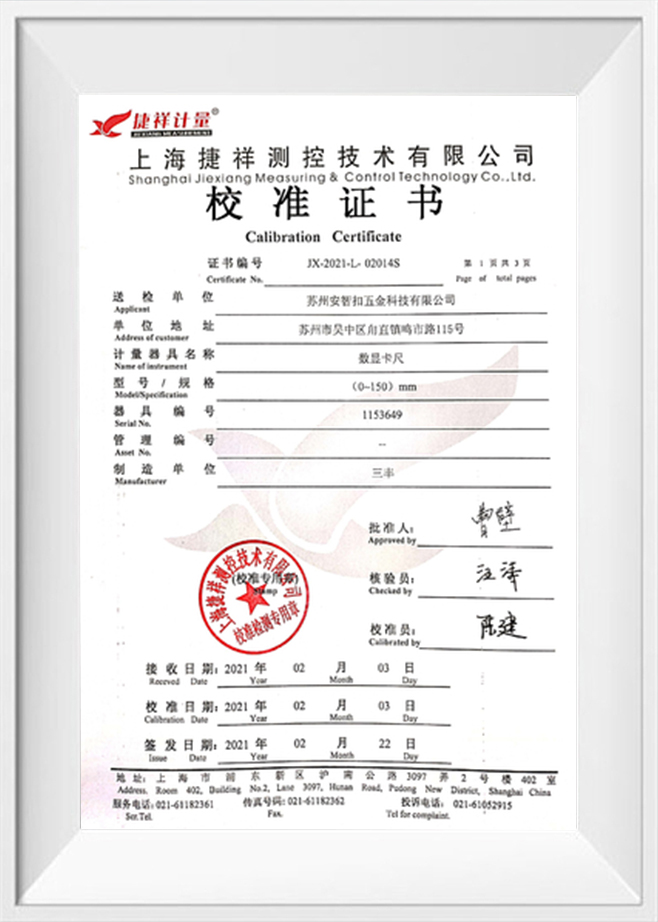
Anzhikou hardware ima kompletan raspon ispitne opreme i prošao je certifikaciju sustava kvalitete ISO9001:2015, s 20 godina industrijskog iskustva u proizvodnji i razvoju, 10 inženjerskih i tehničkih djelatnika s 20 godina iskustva u industriji, te prilagođava razne nestandardne vijke prema potrebama kupaca. Prilagođeni precizni vijci, kako bi se zadovoljili različiti zahtjevi kupaca u pogledu kvalitete i količine. Suzhou Anzhikou precizni vijci s izvrsnom kvalitetom proizvoda najprodavaniji su u 40 zemalja i regija diljem svijeta.
Protuprovalni vijak izgleda kao običan zatvarač sve do trenutka kada ga netko pokuša izvaditi.......
PROČITAJ VIŠEMijenjate upravljačku ručicu ovjesa, gradite okvir prikolice ili zatežete prirubnicu na proizv......
PROČITAJ VIŠEU užurbanoj radionici strojeva, posljednja stvar koju želite otkriti tijekom završne montaže j......
PROČITAJ VIŠES dostavnog kombija preko noći nestane registarska tablica. Pregrada zahoda se olabavi jer je ......
PROČITAJ VIŠEServisni tehničar koji pričvršćuje zamjensku kopču na ulični razvodni ormarić rješava dva prob......
PROČITAJ VIŠERegistarska pločica jedan je od najlakših dijelova vozila za ukrasti: četiri standardna Philli......
PROČITAJ VIŠEIndustry knowledge
How to Define Tolerance Requirements for Non-standard Precision Screws
For Non-standard Precision Screws, tolerance definition should not stop at thread diameter alone. Buyers usually need to confirm the relationship between head height, thread length, shank diameter, drive depth, tip shape, and assembly clearance. A small deviation in one dimension may affect torque transfer, locking performance, or final product appearance.
A practical approach is to divide dimensions into functional and non-functional areas. Functional dimensions directly affect assembly, load, sealing, electrical contact, or positioning. Non-functional dimensions mainly affect appearance or handling. Functional dimensions should receive tighter control, while non-functional dimensions can often use more economical tolerances.
In our customization work, we often recommend confirming the assembly sample or mating part together with the screw drawing. This helps us judge whether a tolerance is truly necessary or whether it can be optimized for cost and production stability.
Material selection for Precision Screws should be based on actual service conditions rather than only price or appearance. Miniature screws, thin-head screws, and long slender screws may behave very differently even when made from the same material. Buyers should consider tensile strength, hardness, corrosion resistance, magnetic properties, and post-treatment compatibility.
| Material Type | Typical Advantage | Buyer Attention Point |
|---|---|---|
| Carbon Steel | Good strength and economical production | Usually needs plating or anti-rust treatment |
| Stainless Steel | Better corrosion resistance | Strength grade and anti-galling performance should be checked |
| Copper or Brass | Good conductivity and decorative appearance | Lower strength than steel materials |
| Alloy Steel | Suitable for higher strength requirements | Heat treatment control is important |
For very small screws, material stability is especially important because the screw may have limited thread engagement and a small drive area. The smaller the screw, the more important material consistency and process control become. With our experience in miniature screw production, including screws with an external diameter as small as 0.6 mm, we pay close attention to material behavior during forming, threading, and inspection.
Anti-loosening performance depends on vibration level, tightening torque, thread engagement length, material pairing, and whether the assembly will be serviced repeatedly. Thread adhesive is only one option. In some assemblies, mechanical structure, nylon patch, special thread shape, or precise torque control may be more suitable.
When buyers provide vibration conditions, tightening method, mating material, and service temperature, the anti-loosening solution can be selected more accurately. Our factory is equipped with anti-loosing processing capability, so we can help match the screw structure and locking method instead of treating them as separate decisions.
For customized screw orders, inspection should be planned before mass production. A good inspection plan defines what must be measured, how it is measured, and how often it is checked. This is especially important for non-standard screws because the drawing may include features that ordinary standard screw gauges cannot fully verify.
Inspection standards should be linked to the real assembly risk, not only to the drawing format. For example, a slight visual mark may be acceptable on a hidden internal screw, but unacceptable on a visible decorative screw. With ISO9001:2015 quality system certification and a complete range of testing equipment, we support buyers in setting practical inspection points for stable batch delivery.

KONTAKT PODACI

Adresa:NE 248-2 Changhongbei Road, Luzhi Town, Wu zhong District, Suzhou City, Jiangsu Province, Kina.
TEL:+86-13913588597
PROIZVODI
MOBILNI TERMINAL



